
Build a Practice Space That Feels Like the Real Fairway
Golf Simulator Turf in Mentor for indoor setups where swing mechanics and ball response depend on surface realism
Turf Tech Solutions installs high-performance golf simulator turf designed to replicate the feel and function of natural grass for homeowners and commercial training facilities in Mentor. You may be converting a basement, garage, or dedicated room into a year-round practice space where every swing, stance adjustment, and club impact needs to produce accurate feedback. The turf we install features durable fibers engineered to withstand thousands of impacts without matting down or losing structure, giving you a surface that responds consistently whether you're using a driver, wedge, or putter.
This service involves measuring your simulator bay, selecting turf density and pile height suited to your launch monitor setup, and installing the material with proper underlayment to support realistic ball lies. The turf absorbs club strikes without excessive wear, maintaining texture and stability through repeated sessions. We account for mat placement, hitting zones, and walkway areas to ensure seamless transitions across the floor. Because indoor humidity and temperature stay controlled, the turf performs consistently without the seasonal variation that affects outdoor installations.
If you're ready to design a custom simulator turf solution tailored to your bay dimensions and usage patterns, reach out to discuss material options and installation timelines for your space in Mentor.
What Changes After the Turf Goes Down
You'll notice the difference the first time you address the ball. Your feet settle into a surface that provides traction without slipping, and the club makes contact with turf that gives realistic resistance rather than bouncing off a hard mat. The ball sits naturally, allowing you to practice shots from varied lies instead of always hitting off a flat, uniform surface. The turf stays in place during aggressive swings, so you're not adjusting alignment or worrying about mat creep between sessions.
After installation, Turf Tech Solutions ensures seams are flush and edges are secured to prevent lifting or tripping hazards. The surface requires minimal upkeep—periodic brushing to maintain fiber orientation and occasional vacuuming to remove dust. You won't need to replace panels or repair gouges the way rubber mats often require after extended use. The turf holds its shape and color, so the simulator bay looks and performs the same months later without fading or compression in high-traffic zones.
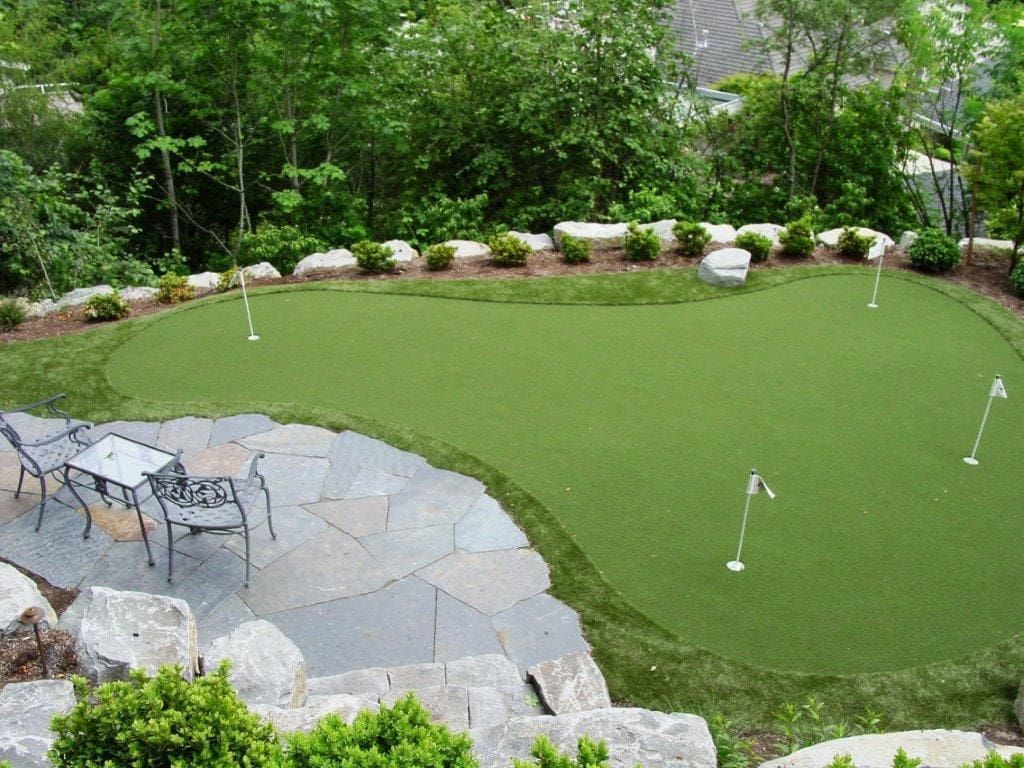
We offer custom sizing to fit bay widths from single-player setups to multi-bay commercial facilities, and we can integrate turf with putting greens, chipping areas, or stance pads. The installation does not include launch monitor mounting, lighting, or screen installation. Turf is cut and seamed on-site, and underlayment options vary depending on subfloor type and desired firmness.
Questions About Simulator Turf Installations
Homeowners and facility operators often ask how the turf will hold up under daily use and whether it can be customized to match specific training goals.
What type of turf fiber works best for repeated driver swings?
We use nylon or polypropylene blends with reinforced backing that resist compression and fiber breakage even under high-impact swings, so the surface stays responsive through thousands of shots.
How do you handle seams in multi-panel installations?
Seams are placed outside primary hitting zones when possible, joined with adhesive and seam tape, then brushed to blend fibers so transitions are barely visible and won't interfere with club delivery.
When should underlayment be added beneath the turf?
You need underlayment if your subfloor is concrete or another hard surface, since it absorbs shock, reduces joint stress, and creates a more forgiving base that mimics natural ground beneath grass.
Why does pile height matter for ball interaction?
Shorter pile allows the ball to sit closer to the backing, giving you tighter lies similar to fairway conditions, while taller pile creates softer lies that affect spin and launch angle during iron play.
How long does simulator turf last in a residential setup?
With typical home use—several sessions per week—you can expect the turf to maintain performance and appearance for seven to ten years before fibers show noticeable wear in the primary hitting zone.
If you want to review pile options, underlayment thickness, or bay layout before moving forward, contact Turf Tech Solutions to walk through material samples and installation details specific to your simulator project in Mentor.
